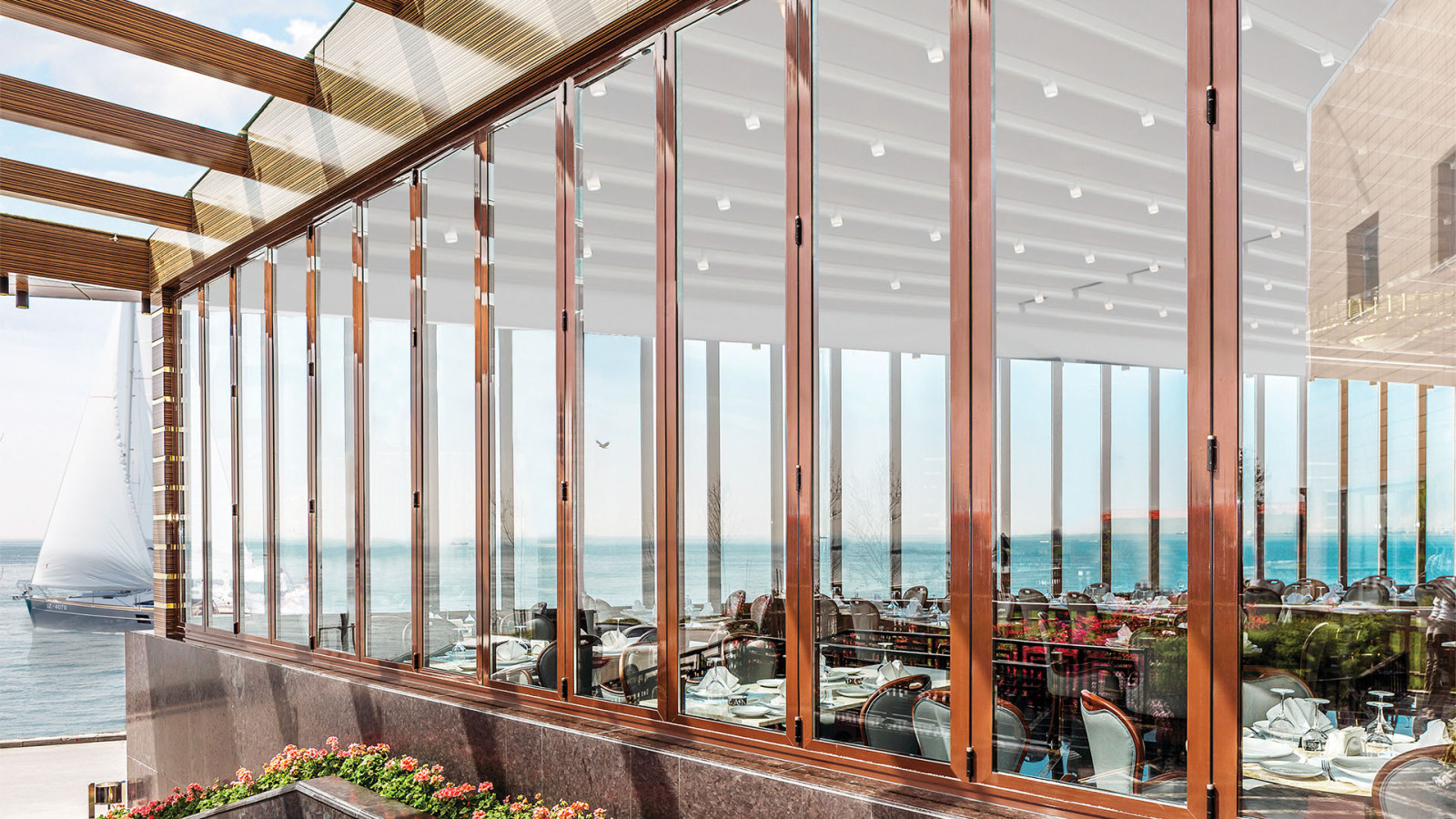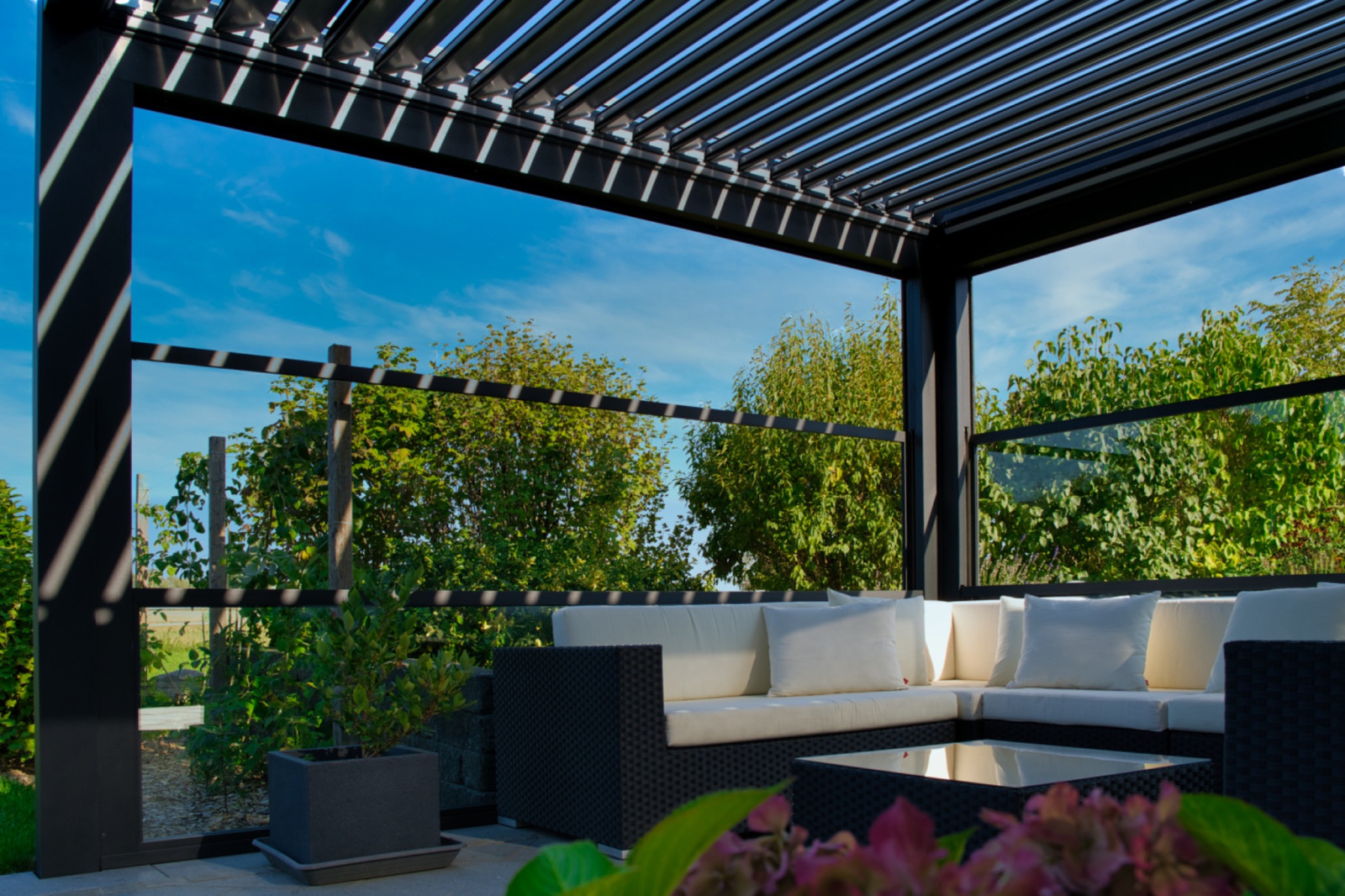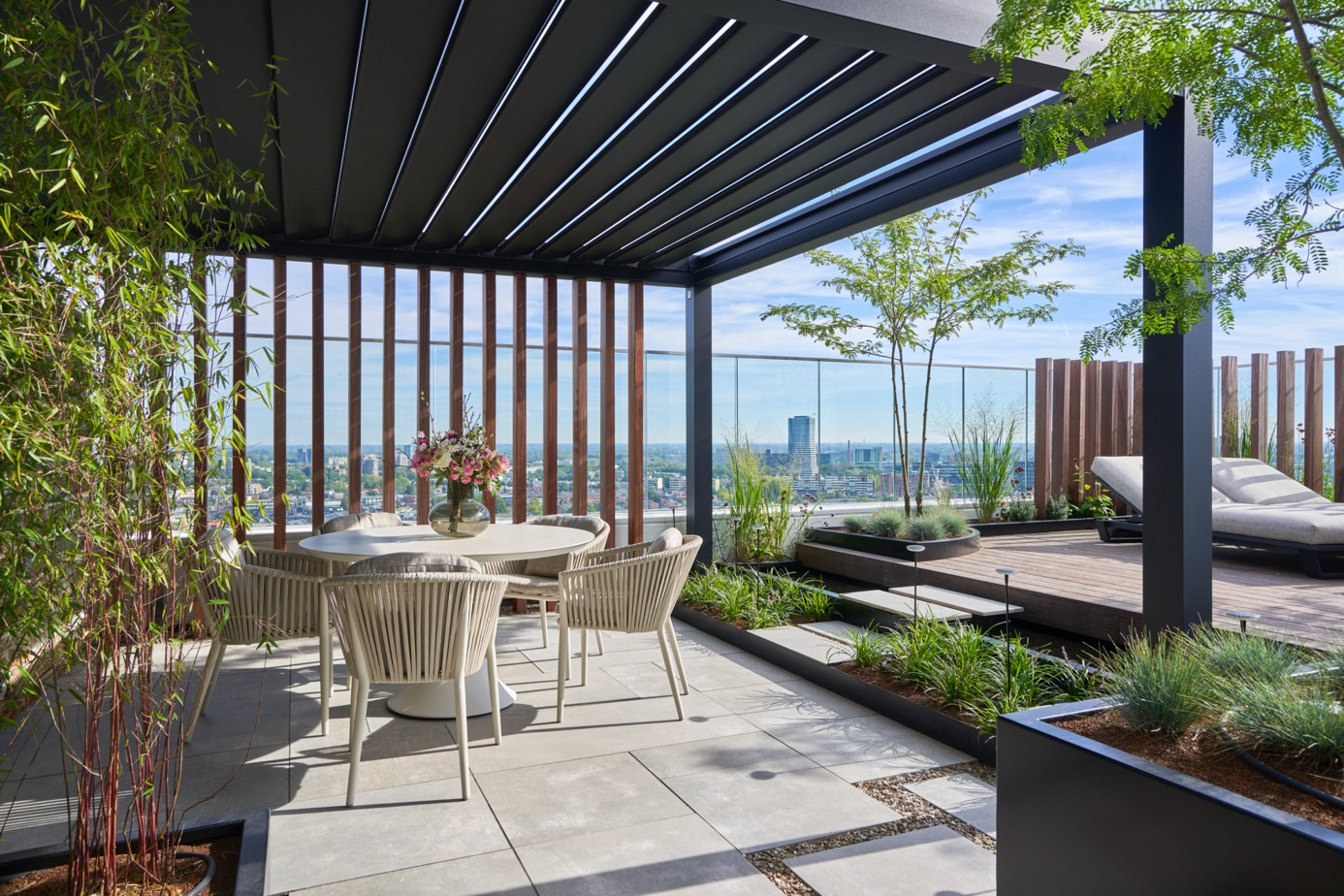
Explore modern pergola designs that complement your home’s architecture and create stylish, functional outdoor living spaces with Palmiye Global.
The appearance of a home is shaped not only by the colour of its walls, the style of its windows or the landscaping of its garden. Even a small structure outside the house can transform its overall look. A pergola is one such element. In some cases, a pergola with clean lines can create a more cohesive appearance. In others, wooden details, greenery and suitable lighting can help create a warmer atmosphere. The important point is not to consider the pergola independently of the house. Whether the façade is simple or more expressive, the selected model should be approached accordingly.
Today, pergola systems have evolved beyond structures that merely provide shade, becoming important design elements that complement the architectural character of outdoor spaces. A well planned pergola can help make areas such as gardens, terraces and verandas more functional while also creating visual harmony with the overall appearance of the building. For this reason, when developing a pergola design, the intended use of the space and its architectural compatibility should be considered alongside aesthetic expectations.
Choose a Model That Complements Your Home’s Architecture
Not every pergola creates the same impression in front of every home. A highly ornate pergola may appear out of place alongside a building with modern lines. Conversely, a design with entirely straight and rigid lines may produce an unexpected result when paired with a more traditional home.
The shape of the windows, the materials used on the façade, the colour of the doors and other details in the garden can provide useful guidance. For example, a pergola with clean, linear forms may suit a home with a simple exterior. In a garden where wood is a dominant element, a model that highlights natural textures may create a warmer appearance.
At this point, modern pergola systems can offer design alternatives capable of adapting to different architectural styles. Determining the pergola’s dimensions, supporting structure and overall design language with the building’s architecture in mind can help prevent it from appearing like an afterthought.
The Pergola’s Colour Should Be Considered Together with the Façade
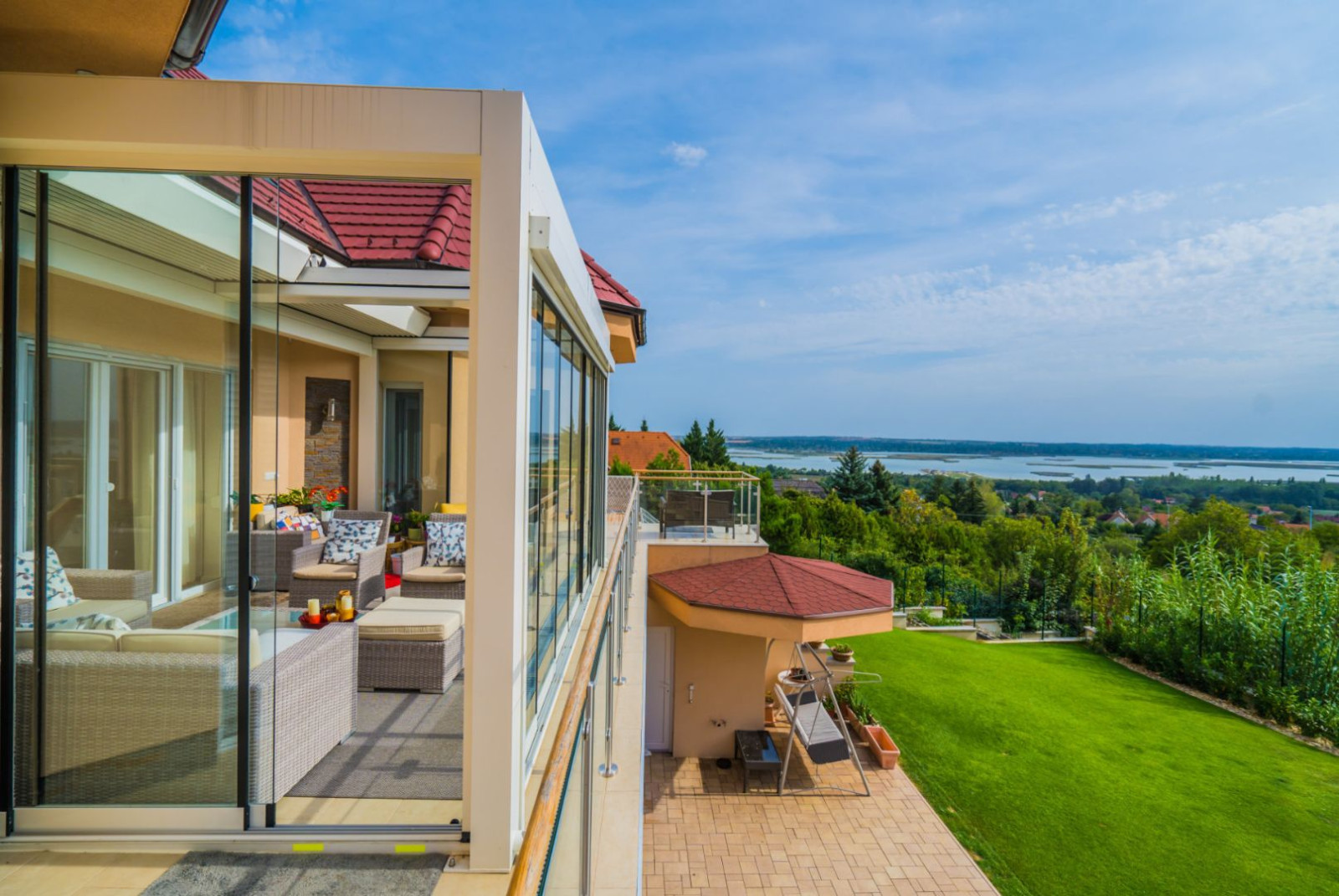
Choosing a pergola colour can become more difficult when it is considered in isolation. Looking at the exterior façade of the house, however, can help clarify the available options. Repeating one of the colours used on the façade can create visual unity. It does not necessarily need to be exactly the same colour; a shade that is a few tones lighter or darker may also be selected.
A wood appearance can also be used alongside different types of façades. Wooden details can blend easily with their surroundings, particularly in gardens featuring trees, flowers and natural stone. Bringing too many different colours together in the same area, however, can make the overall appearance feel cluttered. A few shared tones between the pergola, furniture and accessories are often sufficient.
When selecting colours for pergola systems, it can be useful to consider not only the existing façade but also the other architectural elements used throughout the outdoor space. This allows the pergola to be perceived as a continuation of the existing architecture rather than as an independent part of the garden or terrace.
Wooden Details Can Create a Warmer Atmosphere
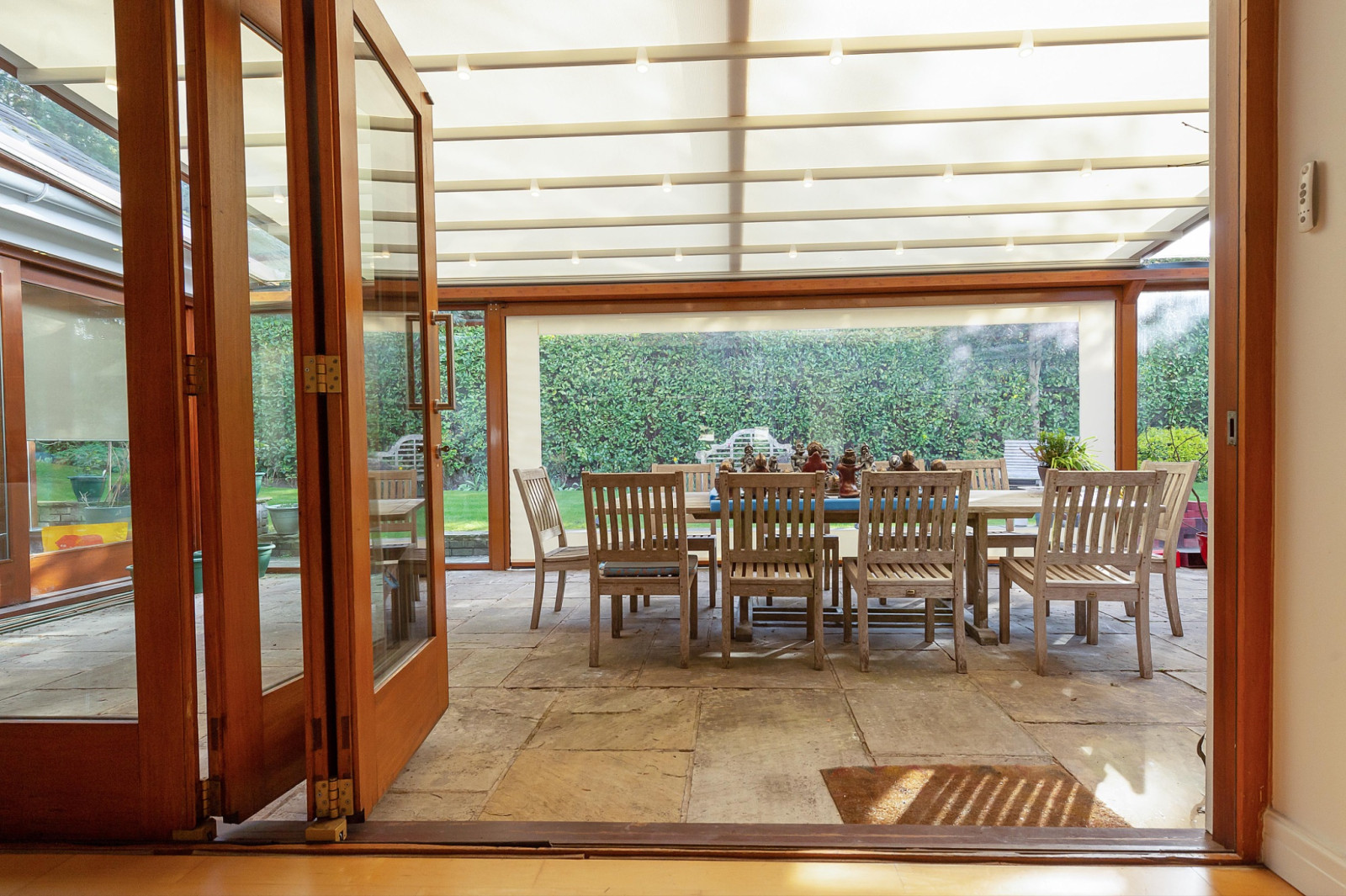
One reason wood is frequently preferred in outdoor spaces is the natural appearance it provides. The entire pergola does not need to be made of wood. Incorporating a wood appearance into the supporting sections or selected details may also be sufficient.
When combined with green plants, it can help create a warmer garden environment. A natural sense of harmony can be achieved particularly when it is used alongside stone walls, wooden furniture and earthy tones.
However, wood effect materials and natural wood do not have the same maintenance requirements. When making your selection, you should learn about the material’s resistance to outdoor conditions and its maintenance needs.
Clean Lines Stand Out in Modern Homes
Designs that avoid excessive detailing are frequently seen in modern architecture. You can maintain this approach when selecting a pergola. Straight supports, understated colours and a design free from unnecessary ornamentation can complement modern façades. A simple pergola can complete the exterior appearance particularly well in homes where white, grey or darker tones are used.
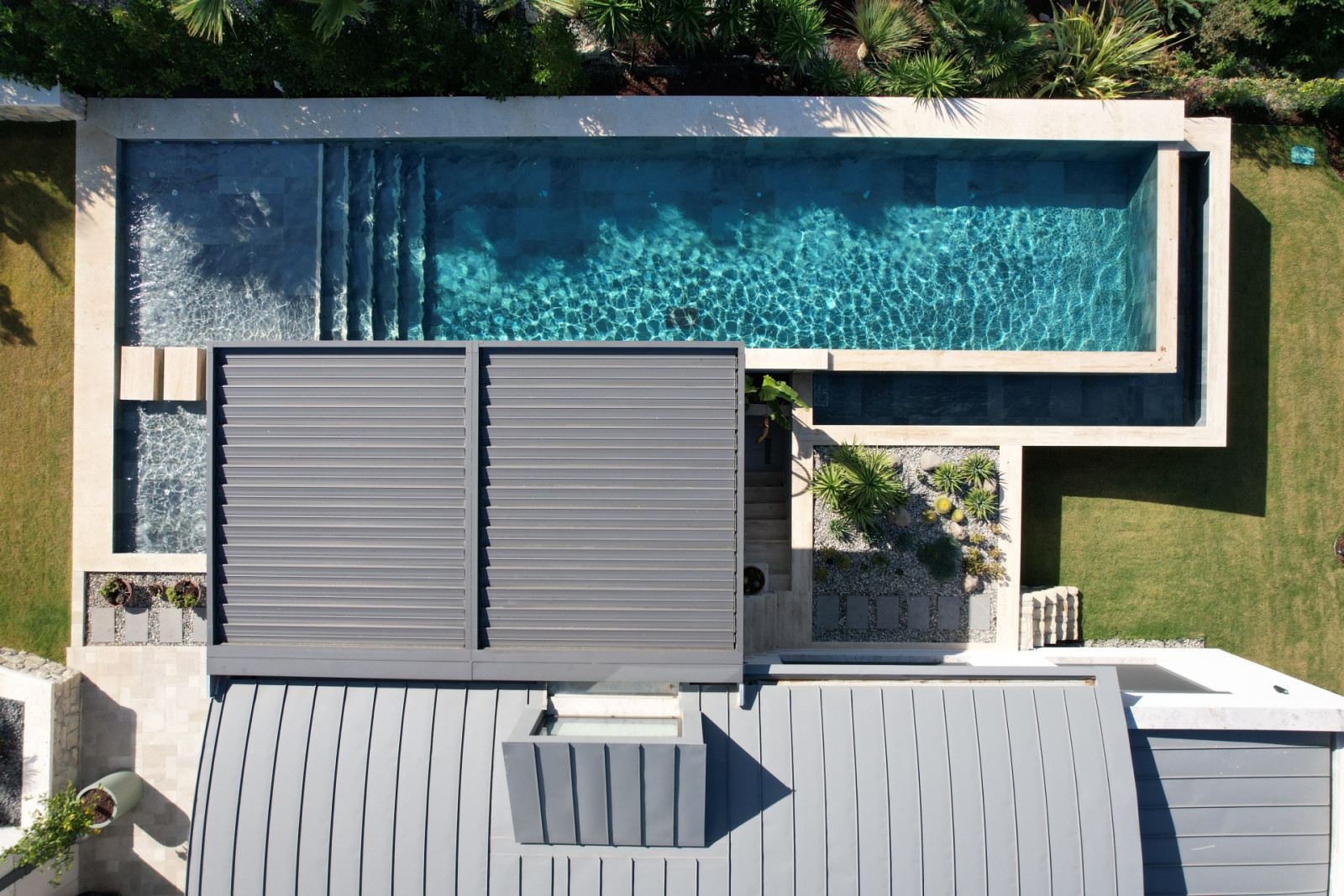
Pergola solutions preferred for modern buildings can be planned according to how the outdoor space will be used as well as its design. Details such as the size of the garden or terrace, its exposure to sunlight and the periods during which the area will be used can influence the selection of the right system.
The Choice of Flooring Completes the Look
The surface beneath the pergola is also part of the overall exterior appearance. When a new and visually striking pergola is installed over an old concrete surface, the two areas may appear incompatible. Stone, wood or other types of flooring can be used. When making a selection, the façade of the house and the material of the pergola can be considered together. You do not need to use the same material everywhere. Even a similar colour or texture can create a sufficient visual connection.
The Pergola Should Not Look Like an Addition to the House
In a well considered pergola design, there is a visual connection between the structure and the house. This connection can be established through colour, materials or lines. For example, a dark colour used around the home’s windows can be repeated as a subtle detail on the pergola’s supporting structure. Stones used in the garden can continue beneath the pergola.
When choosing a pergola, it is not enough to ask only, “Does it look beautiful?” You should also consider how it will complement your home’s exterior, whether it will suit the furniture in your garden and whether its maintenance requirements may become challenging over time.
Sometimes a very simple model produces a better result than an elaborate design. In other cases, a wooden detail or a few plants can give the pergola the warmth it needs.
Bespoke Pergola Solutions for Outdoor Spaces from Palmiye Global
When choosing a pergola, the characteristics of the area in which the system will be used, the architectural structure and user expectations are just as important as its design. With pergola systems developed for different architectural projects and outdoor requirements, Palmiye Global offers solutions designed to transform gardens, terraces and other open areas into functional living spaces.
Evaluating alternatives ranging from pergola designs that integrate with modern architecture to solutions developed for different outdoor projects can help you select a system that complements the architectural character of your home. When planning a pergola, considering its dimensions, location, colour, material and intended use together is important for both aesthetics and long term usability.
By exploring Palmiye Global’s pergola and outdoor living systems, you can evaluate different solutions suited to your home’s architecture and your individual requirements.