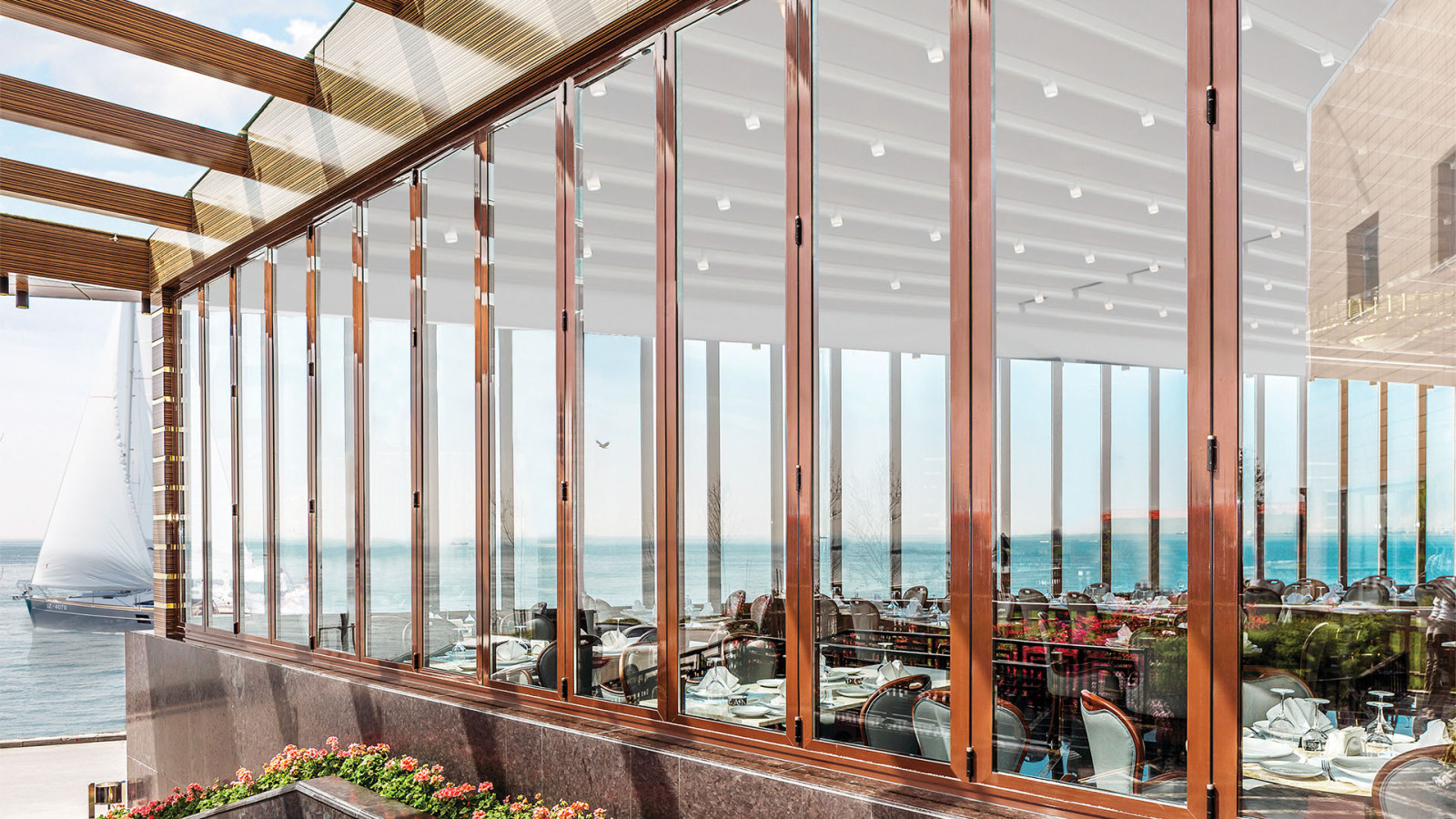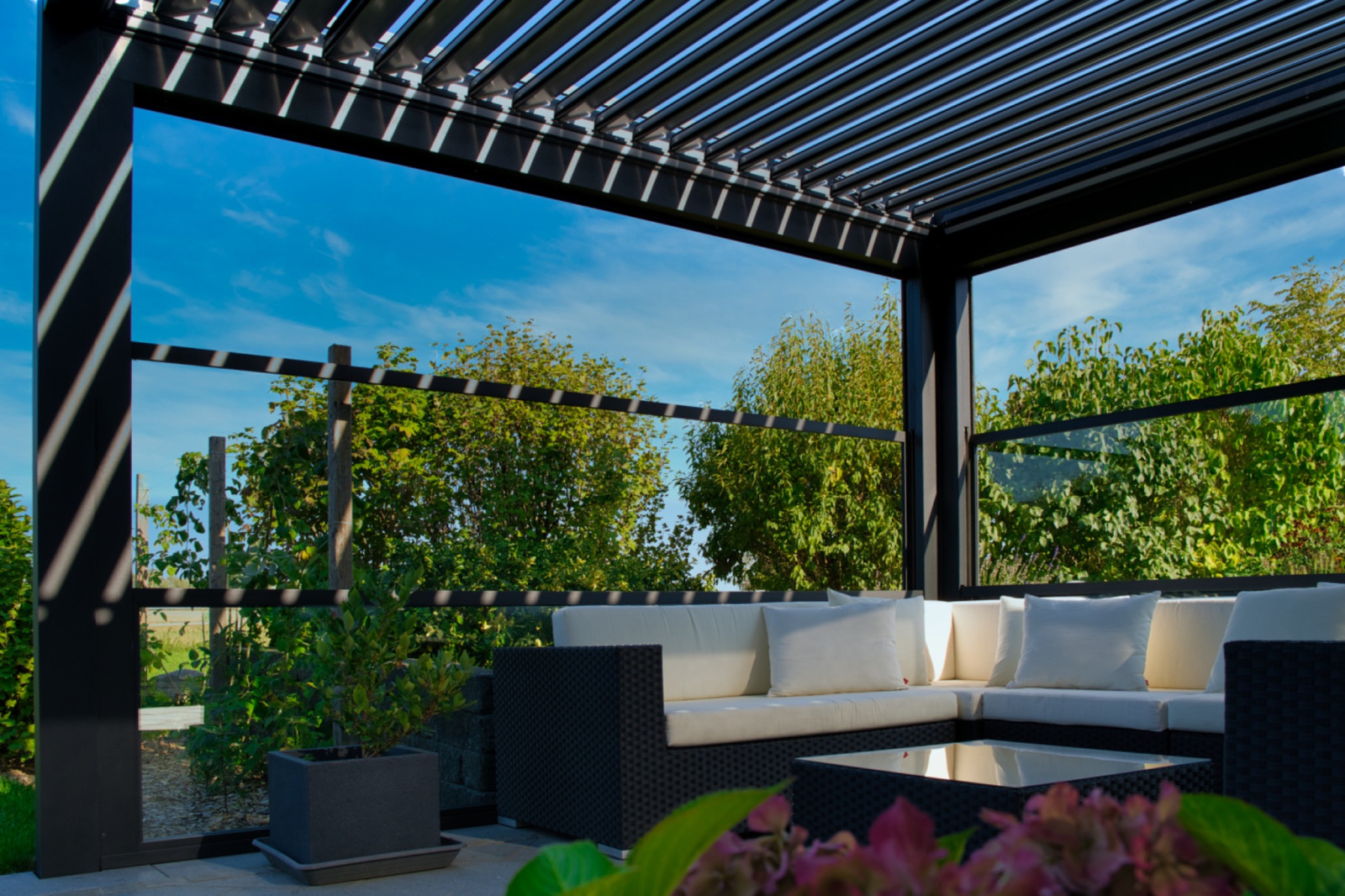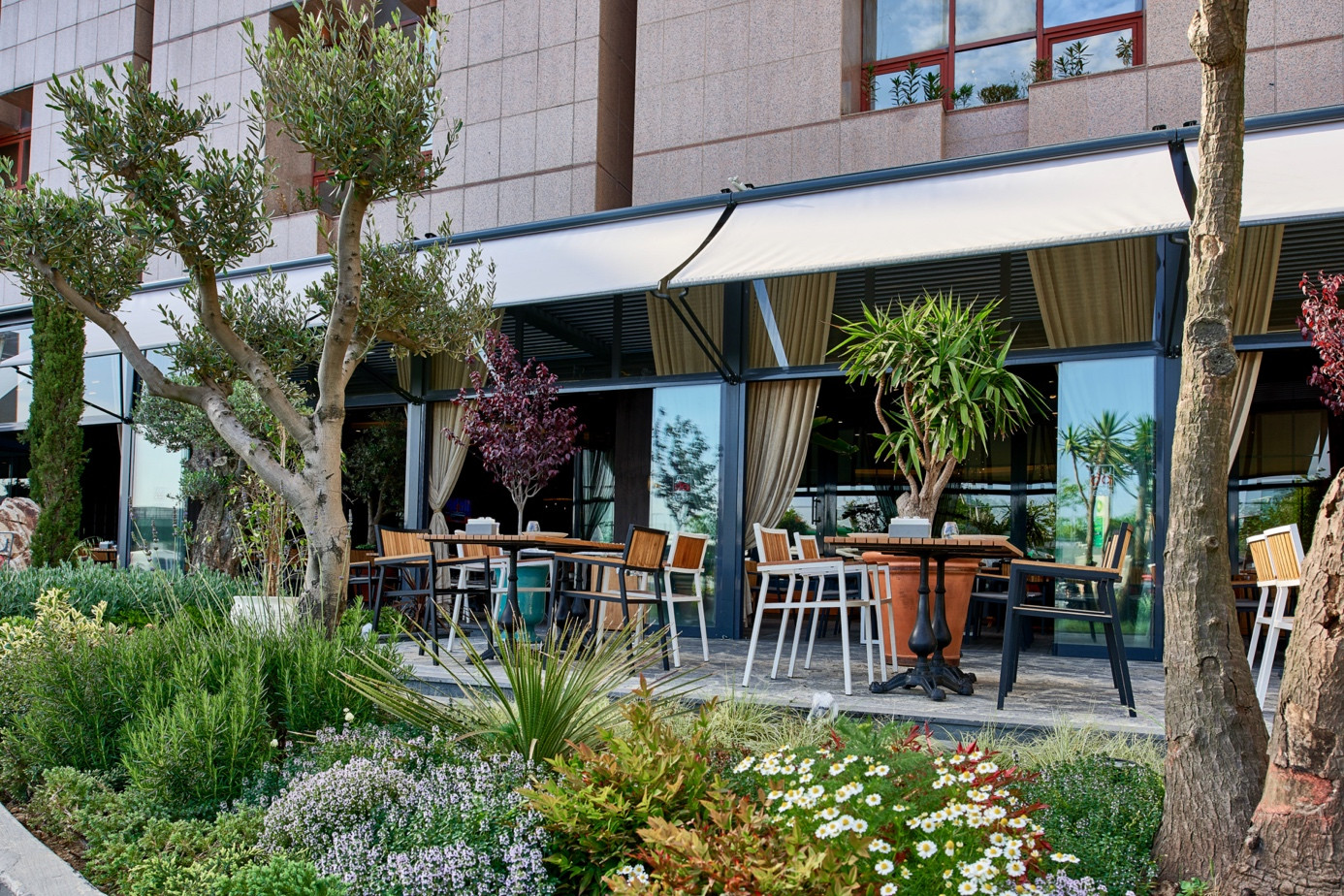
Explore key points in exterior awning selection, from architectural style and façade color to fabric quality and usage needs. Create elegant outdoor spaces with the right awning and pergola systems.
In modern architecture, the exterior façade is one of the most fundamental elements that defines a building’s character and aesthetic language. For this reason, shading systems integrated into the façade should support the same architectural expression and help preserve the overall structural integrity. An awning system that is poorly designed or visually incompatible with the façade elements can disrupt the building’s visual balance.
To achieve a cohesive exterior appearance, several technical details should be evaluated together, including the texture of the façade material, architectural lines, color palette, and the area occupied by the system when closed. The right awning and shading system should not appear as an afterthought, but rather as a natural extension of the façade itself. In particular, modern awning systems developed with advanced engineering can preserve architectural aesthetics while maximizing the comfort and usability of outdoor spaces.
Choosing an Aluminum Awning Model According to the Architectural Style
Every building has its own geometric and architectural language. When selecting an awning system, this structural character should be taken as a direct reference. For modern, minimalist buildings with clean lines, cassette awning systems that integrate with the façade as a monoblock element should be preferred over visually complex mechanisms.
Minimalist Buildings:
For modern façades with sharp and refined lines, full cassette awning models that completely conceal the mechanism should be used. When the system is closed, the fabric and arms disappear entirely into the profile, preserving the clean architectural lines of the façade.
Brutalist and Industrial Façades:
On façades where glass, steel, and concrete are used extensively, metallic tones can create a visually harmonious appearance that supports the structural integrity of the building.
Designs that contradict the architectural lines, create excessive projection, or add unnecessary visual clutter to the façade can reduce the aesthetic value of a building. The cassette awning solutions offered by Palmiye Global provide timeless designs that do not interfere with the raw architectural character of the façade when closed.
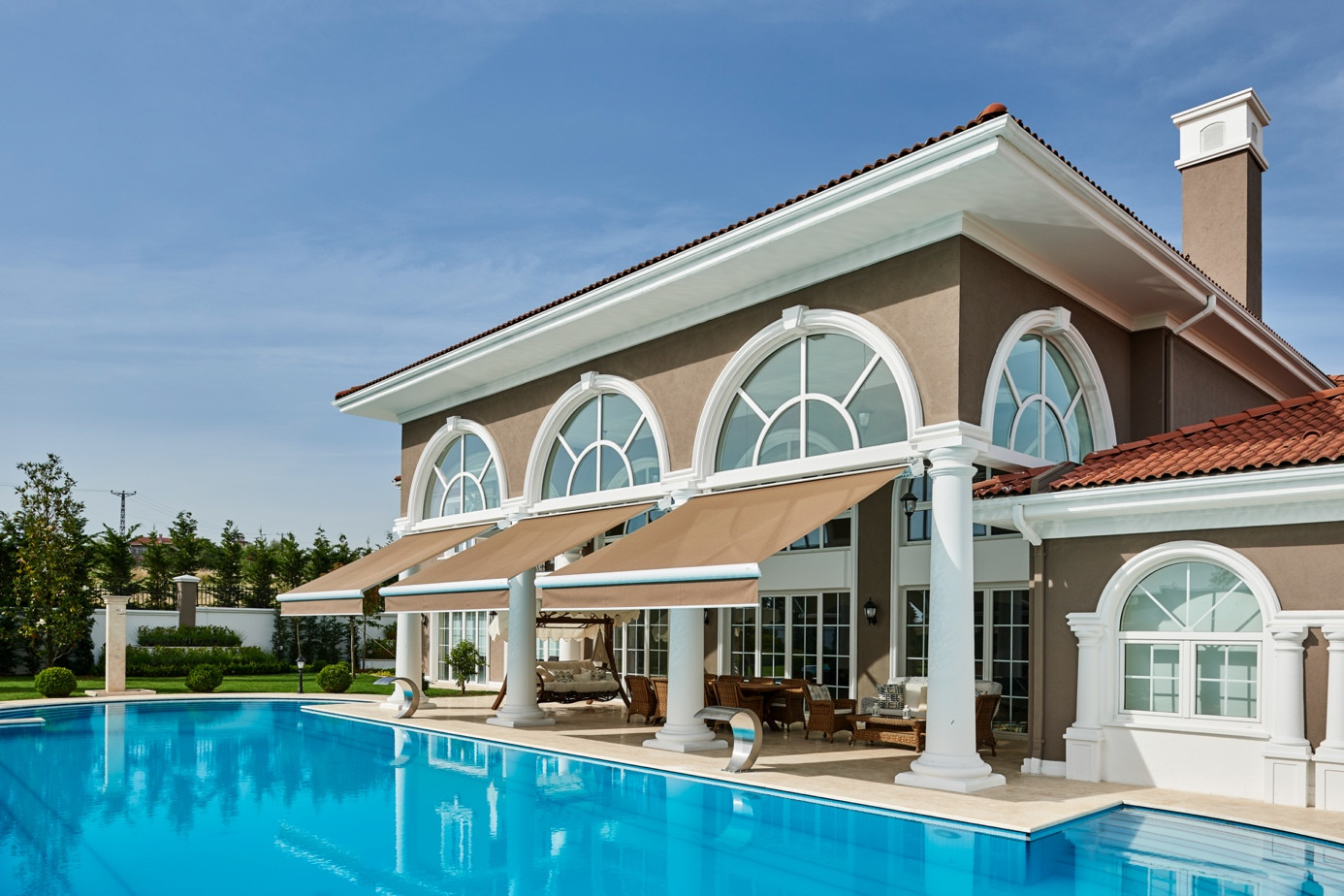
Choosing Colors That Complement the Façade Color and Surface Finishes
The color palette and surface finishes used on the exterior façade are among the most important parameters when determining the color of the awning profile. The aim is to prevent the awning from becoming a dominant element within the building’s color hierarchy and to achieve a balanced transition between tones.
In aluminum-constructed systems, electrostatic powder coating technology is used to ensure harmony with façade joinery, aluminum frames, or composite panels.
Monochromatic Approach:
Selecting the awning profile in tones close to the façade color, such as an anthracite profile for an anthracite gray façade, allows the system to visually blend into the architecture.
Contrast Approach:
On light-colored modern façades, dark matte cassette profiles can be used to create a contemporary frame effect within the building’s overall composition.
Rather than following temporary color trends, choosing timeless tones that will preserve the building’s aesthetic value throughout its lifespan ensures long-term architectural satisfaction.
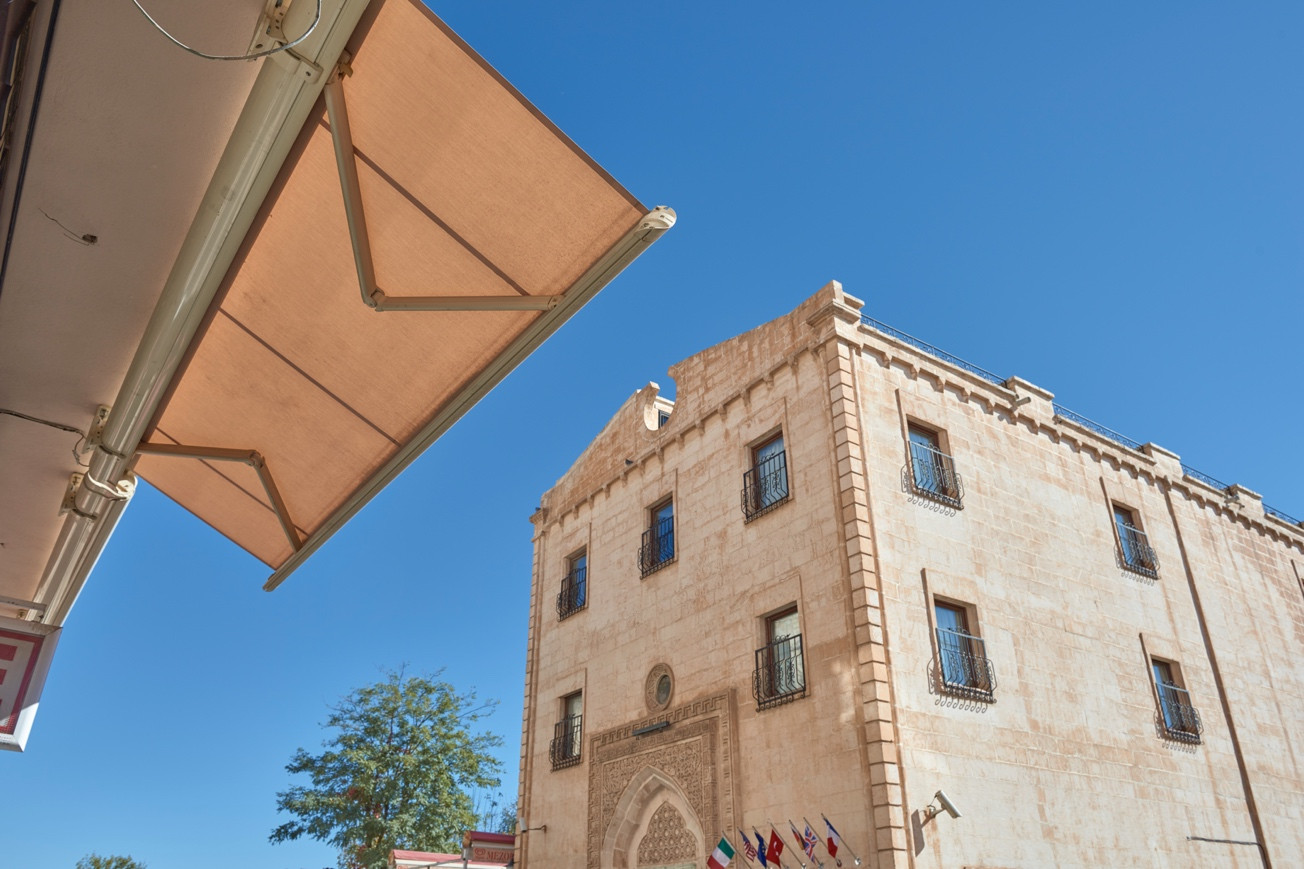
Integrating High-Quality Fabric and Texture with the Façade Material
The textural density of façade materials such as stone, marble, glass, or metal directly influences the character of the fabric to be used in the awning. To strengthen the exterior aesthetic, the fabric’s texture, color, and technical qualities should be in harmony with the façade materials.
UV-resistant and fade-resistant acrylic fabrics used in high-quality outdoor systems do not create an artificial shine on façade surfaces. Matte fabrics with a natural texture create a cohesive visual perception when combined with modern façade finishes. The fabric’s tension and structural stability against wind loads also allow the system to maintain its original architectural form for many years without sagging.
For larger architectural outdoor areas, fabric pergola systems can also support a cohesive relationship between fabric texture, façade materials, and long-term outdoor comfort.
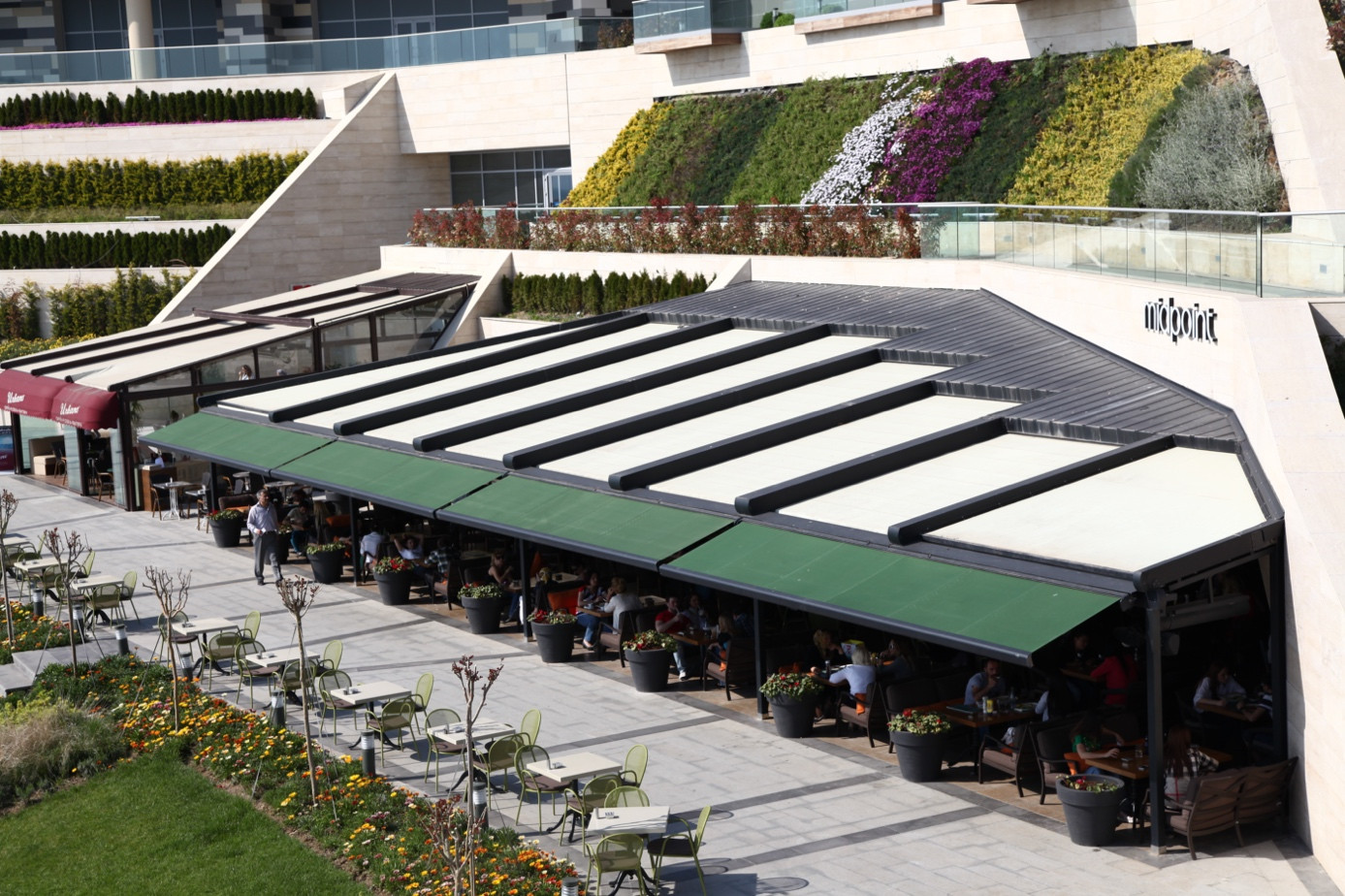
Functional and Minimalist Solutions with Cassette Awning Systems
When choosing the right shading system according to the intended use of the space, both functionality and structural simplicity should be prioritized. The scale of the area should be carefully analyzed for large terraces, commercial spaces, or residential balconies.
Retractable cassette awning systems provide shade over a wide area when needed and, when closed, retract into the aluminum cassette block, leaving the exterior façade visually unobstructed.
When the focus extends beyond appearance to include everyday ease of use supported by wind sensors and automation features, the value of the building increases. As a result, the space achieves high-level architectural and functional performance throughout all four seasons.