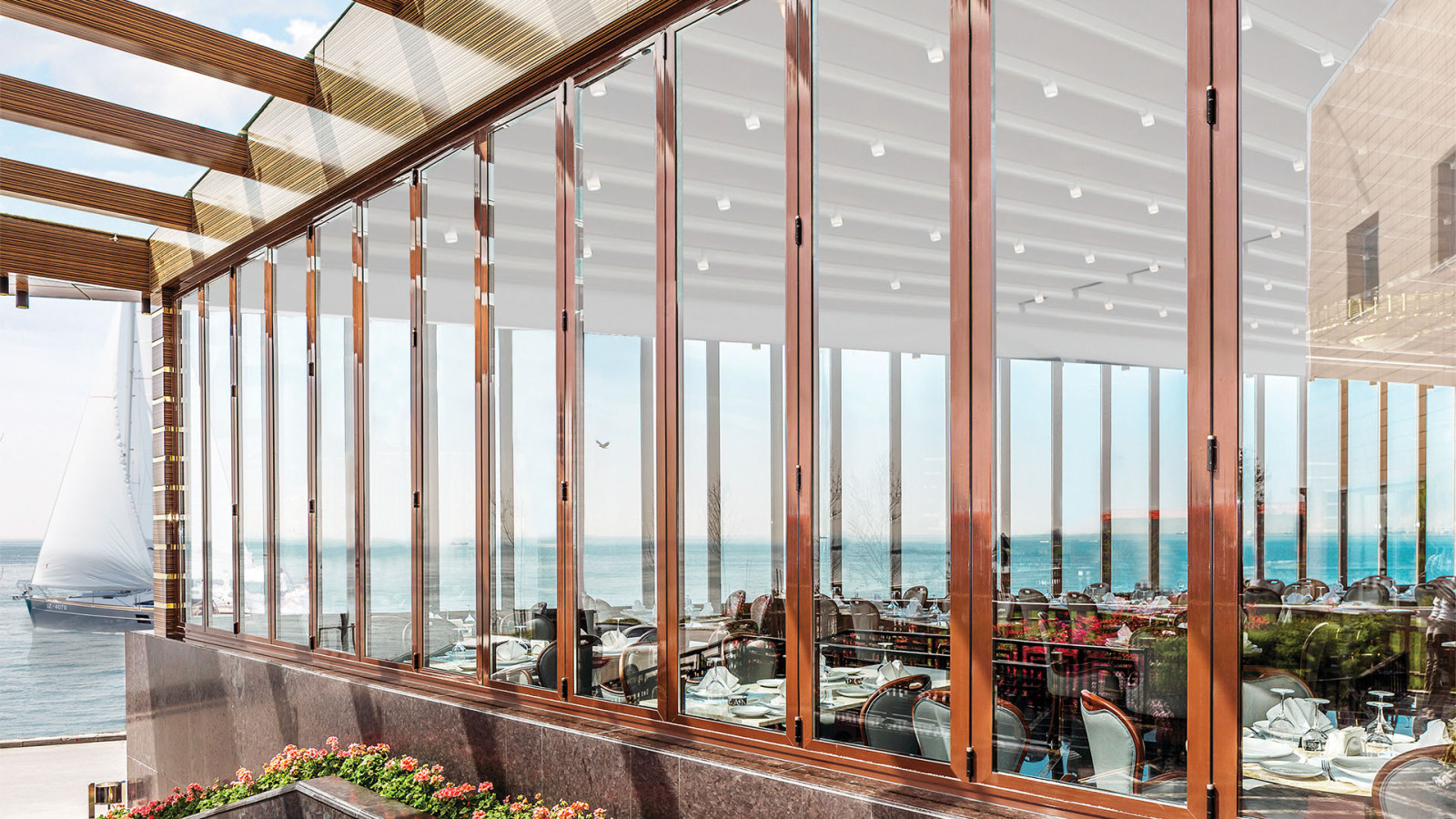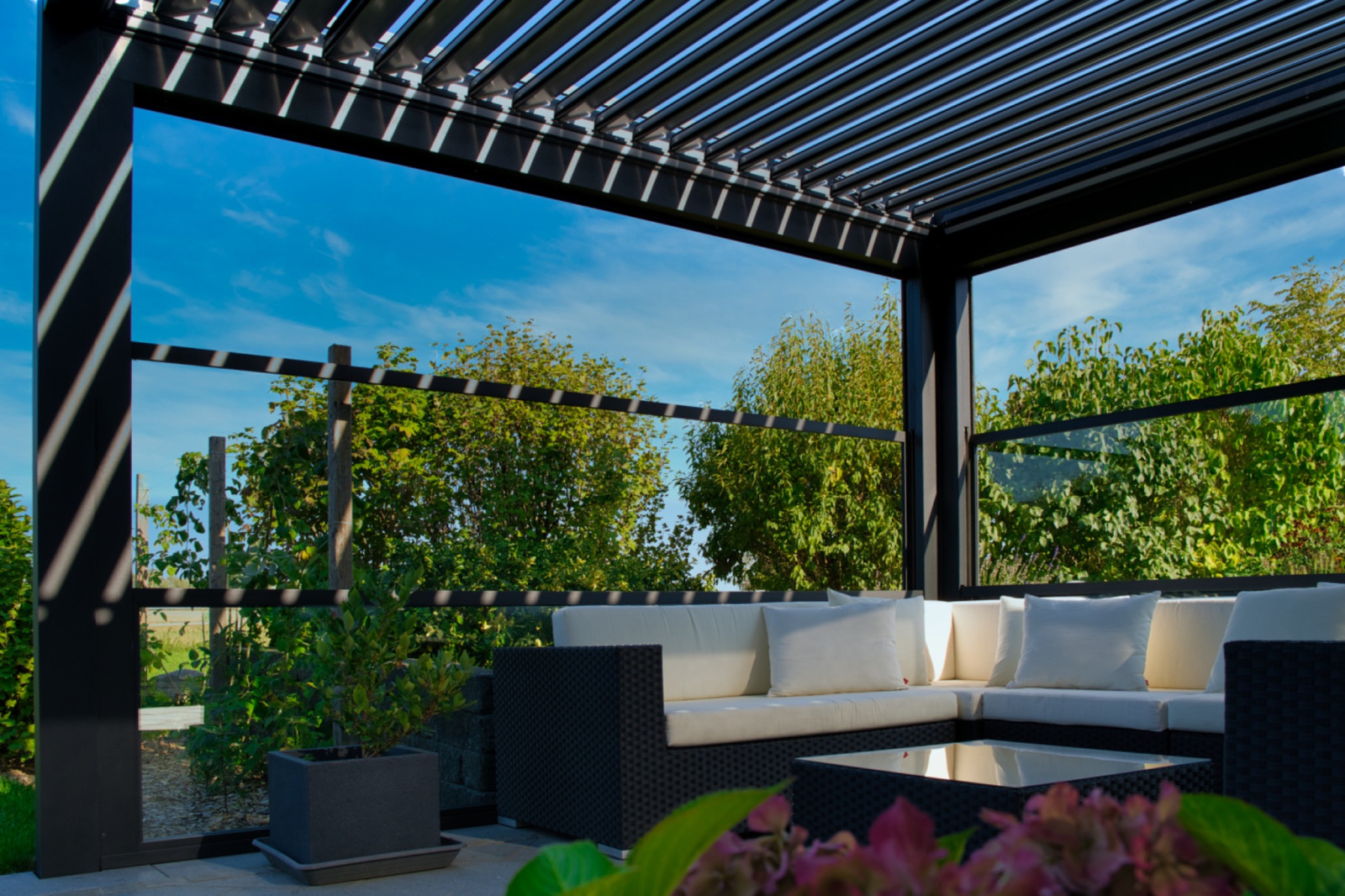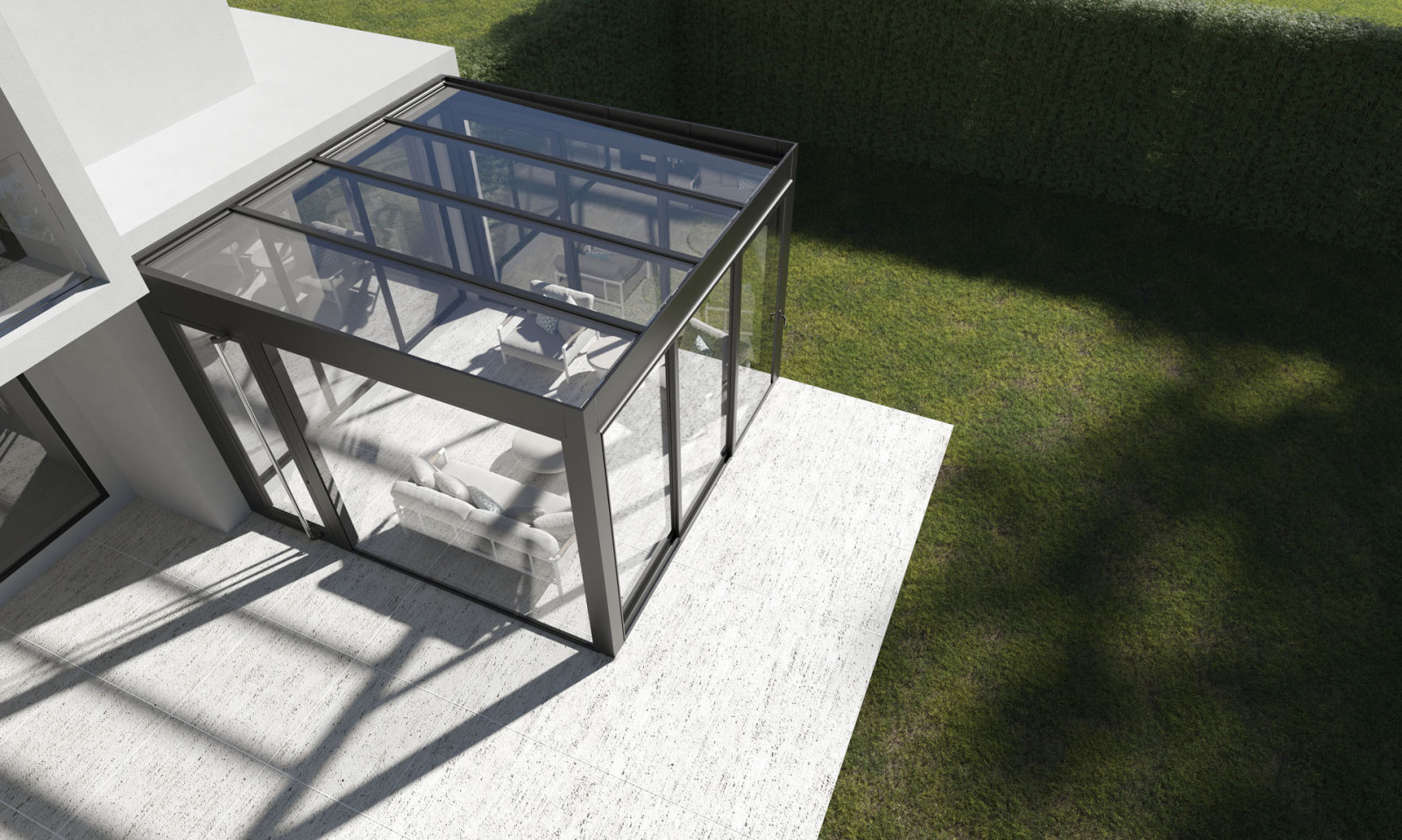
Discover important details such as material, dimensions, positioning, roof systems and installation before purchasing a pergola. Explore our comprehensive guide to choosing the right pergola.
Pergola systems are one of the most effective ways to transform outdoor areas into more comfortable and functional living spaces. In the past, pergolas mostly consisted of wooden posts and lattice structures designed to support climbing plants. Today, with the integration of technology and architectural design, they have evolved into much more advanced systems.
Modern pergola systems, with durable aluminium constructions, retractable roof options, movable panels and different shading solutions, make it possible to use gardens and terraces during different periods of the year. As a result, outdoor spaces can become comfortable areas for relaxation, dining and social life rather than being used only in favourable weather conditions.
However, when choosing the right pergola, focusing solely on design is not sufficient. Many factors, such as the area where the pergola will be used, dimensions, material, roof system and intended use, need to be considered together.
What Are the Advantages of Pergola Systems?
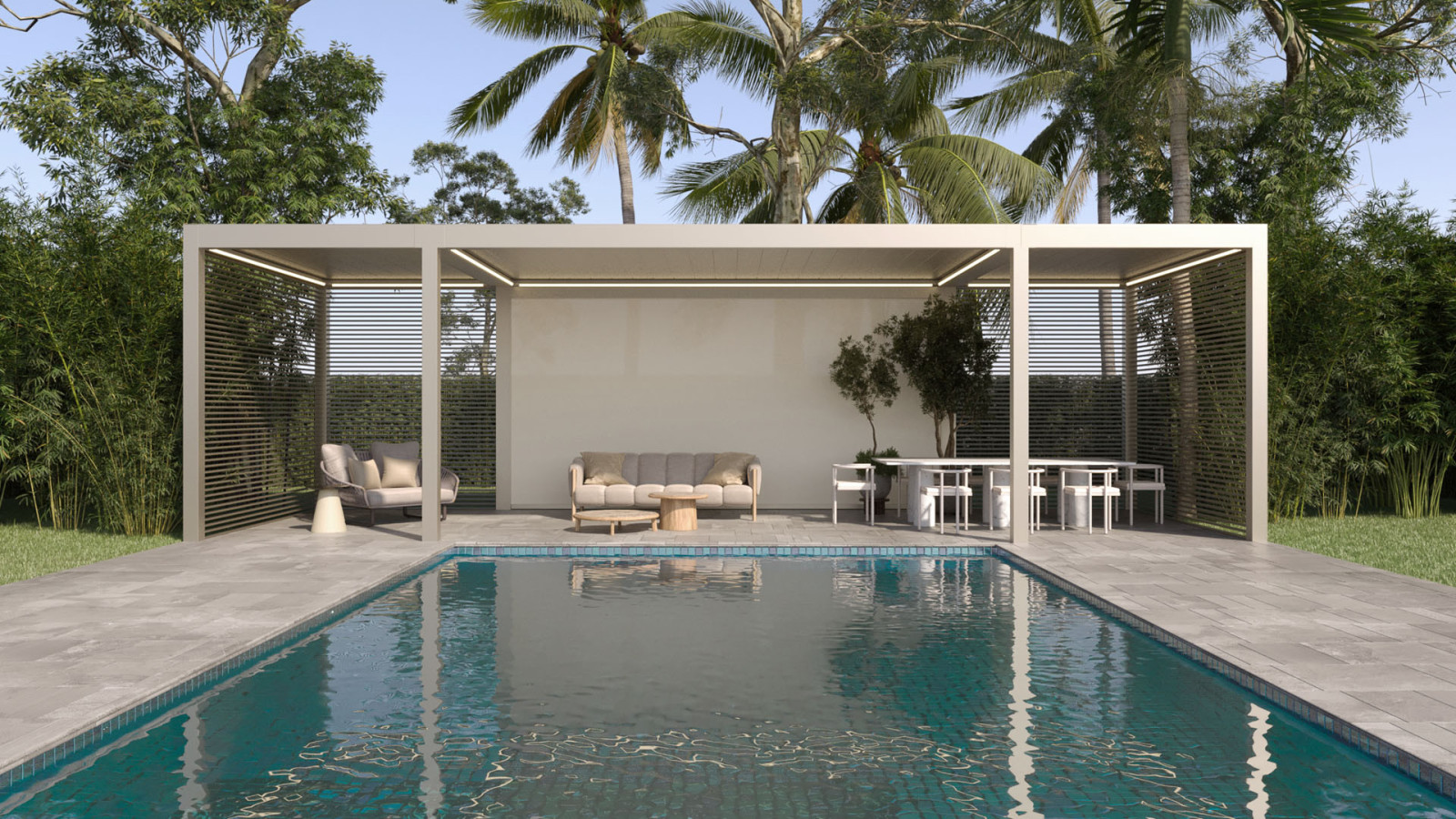
Pergolas combine the shading benefits provided by traditional awning systems with a more comprehensive outdoor structure. They can provide significant advantages in terms of both aesthetics and functionality in gardens, terraces and similar outdoor areas.
One of the most important functions of a pergola is to provide controlled shading against sunlight. Depending on the system used, the outdoor area can be adapted to different weather conditions through movable roofs, louvres, retractable ceilings and side enclosure solutions. Bioclimatic pergola systems offer solutions based on movable or rotatable aluminium blades for controlled outdoor comfort.
Modern Design That Adds Value to Architecture
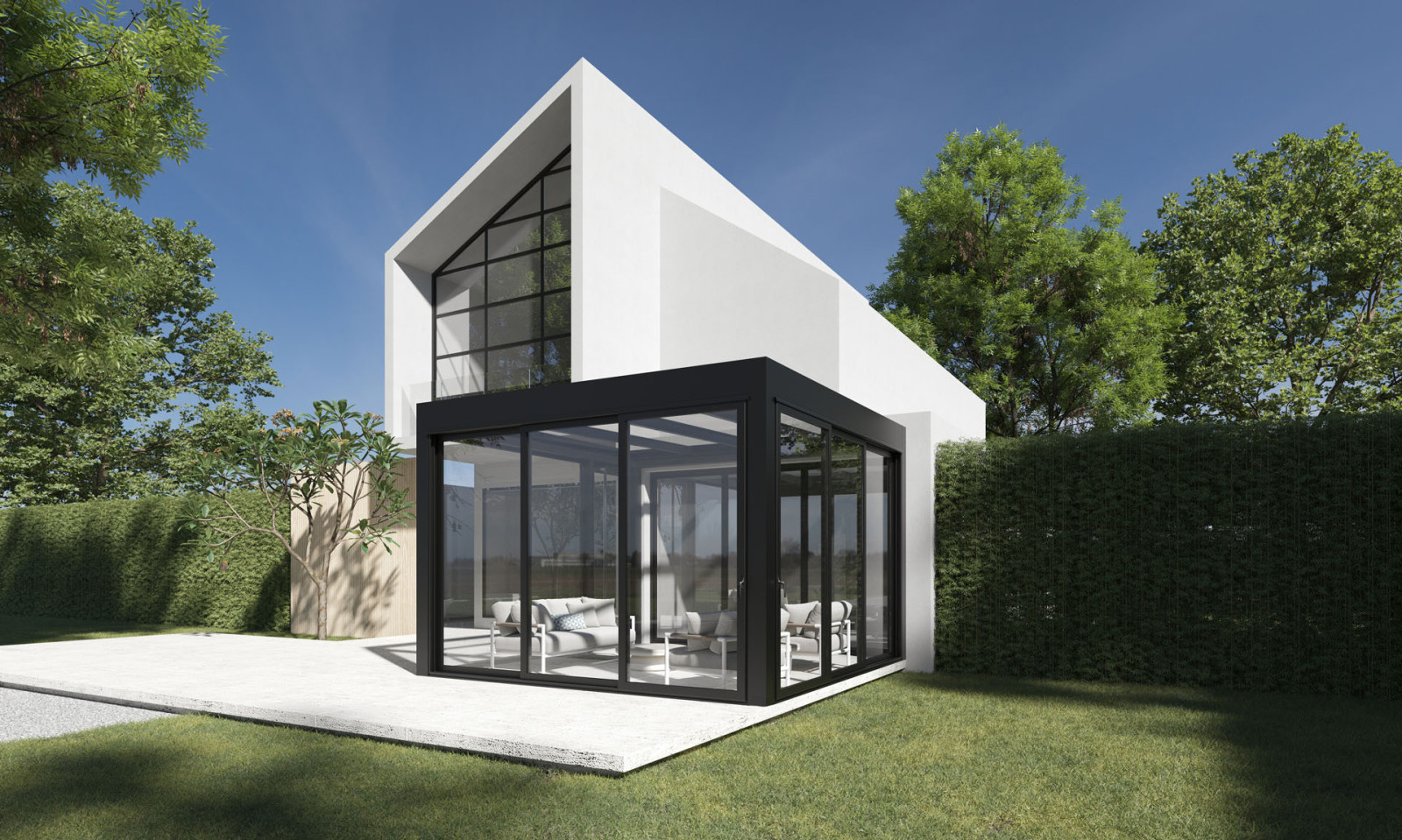
Today’s aluminium pergola systems feature clean and strong lines that integrate with modern architecture. With the right design and colour selection, a pergola becomes not only a functional shading solution but also an important design element that complements the architectural character of the building.
Contemporary pergola designs, particularly those used in gardens and terraces, help outdoor spaces appear more organised and cohesive.
Enables the Division of Outdoor Spaces
By using a pergola, you can create a defined functional area within a large garden or terrace. For example, an outdoor dining area can be created by positioning a dining table and chairs beneath the pergola.
Similarly, a relaxation area with seating groups, a shaded section by the pool, or a comfortable outdoor area reserved for customers in commercial establishments can be designed.
In this respect, pergola systems also help create a natural transition area between indoor and outdoor spaces.
Provides Shading and Protection
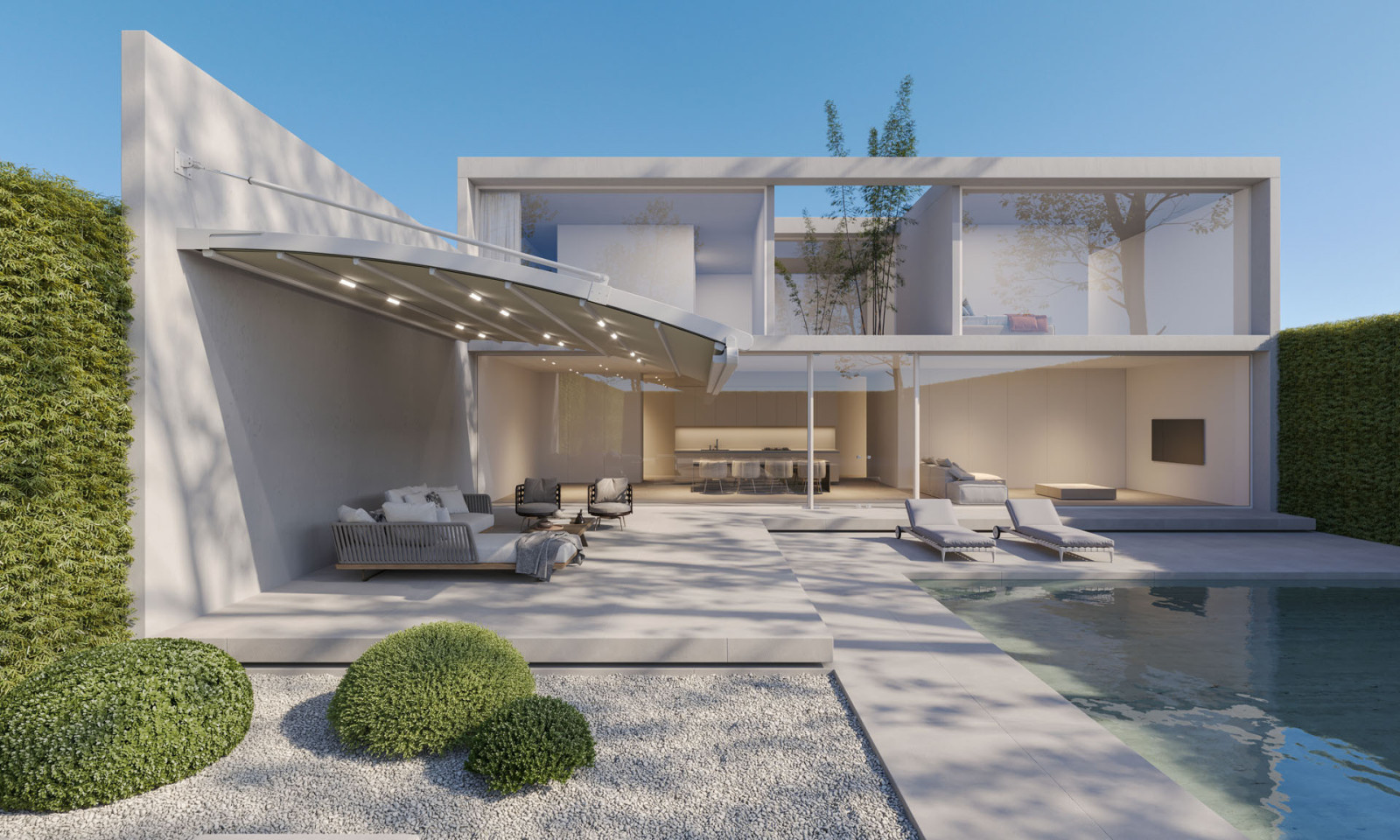
One of the most important functions of a pergola is to provide controlled shading against sunlight. Depending on the system used, the outdoor area can be adapted to different weather conditions through movable roofs, louvres, retractable ceilings and side enclosure solutions.
For this reason, when choosing a pergola, it is important to consider the climatic conditions of your region and how much sunlight the area receives throughout the day.
Where Should a Pergola Be Positioned?
Proper positioning is one of the most important factors determining how effectively a pergola can be used.
If the primary purpose is shading, the movement of the sun throughout the day should be taken into account. Particularly in areas exposed to intense afternoon sunlight, the position and orientation of the pergola can directly affect the amount of shade created.
Wind should also be considered. A properly positioned pergola and side enclosure system can help reduce the impact of wind on the outdoor area.
In areas with a view, it is preferable to design the pergola as an architectural element that frames the view rather than obstructing it.
If the pergola will be used as a dining area, positioning it close to the kitchen or dining area can provide a significant advantage in everyday use.
How Should Pergola Dimensions Be Determined?
One of the common mistakes made when selecting a pergola is making a decision based solely on the dimensions of the available space. However, the dimensions of the pergola should also be proportionate to the surrounding structure.
A pergola that is too small next to a large building may appear visually weak. Similarly, using an excessively large system in a small garden can make the area appear narrower and more confined than it actually is.
For this reason, before placing an order, the following should be carefully evaluated:
- The length and width of the area,
- The height of the pergola,
- The total usable area,
- The distance from the building and other structures,
- The area that will be occupied by furniture.
Which Material Should Be Preferred for a Pergola?
Different materials such as wood, wrought iron, plastic, composite and aluminium can be used in pergola systems. Each material has different characteristics in terms of appearance, durability, maintenance and cost.
Wooden Pergolas
Thanks to its natural appearance, wood is one of the materials particularly preferred in traditional garden designs. However, because it is a natural material, it requires regular maintenance and protection against moisture, insects and outdoor conditions.
Wrought Iron Systems
Wrought iron is a strong and decorative material. However, its considerable weight and the need for protection against corrosion should be taken into consideration in terms of use and maintenance.
Plastic Systems
Plastic can be an economical and low-maintenance alternative. However, in terms of service life and structural durability, it may not provide the same performance as more long-term solutions.
Aluminium Pergola Systems
In modern pergola designs, aluminium is one of the key materials that combines durability and aesthetics.
Aluminium constructions can provide high resistance to outdoor weather conditions, offer long-term use with low maintenance requirements, and enable the creation of different designs that complement modern architecture.
Surface treatments such as powder coating can provide different colour options while also increasing protection against outdoor conditions.
These characteristics make aluminium pergola systems a strong alternative for both residential projects and hotels, restaurants, cafés and commercial spaces.
How Should Pergola Roof Systems Be Selected?
The roof system largely determines the comfort provided by a pergola. Today, in addition to fixed solutions, movable and retractable pergola systems are also available.
For example, in systems consisting of movable louvres, the roof can be opened and closed according to requirements. This makes it possible to allow sunlight into the area in a controlled manner or to cover the space when necessary.
In some pergola systems, rainwater can be drained through channels integrated into the construction. In this way, the drainage system becomes part of the design. For projects where daylight and year-round protection are priorities, glass roof pergola systems can also provide an alternative roof solution.
Retractable pergola systems offer users the flexibility to enjoy an open sky or close the area when required. Motorised mechanisms can also make controlling the roof system easier.
Depending on the project, side shading and enclosure systems can also be added to the pergola. These solutions help improve outdoor comfort, particularly when sunlight enters at a low angle and during windy weather.
The roof system largely determines the comfort provided by a pergola. Today, in addition to fixed solutions, movable and retractable pergola systems are also available. Different architectural requirements can also be addressed with fabric pergola systems.
What Should Be Considered During Pergola Installation?
The level of difficulty involved in pergola installation varies according to the size of the system, the material used, the ground conditions and the design.
Although simple and small wooden structures can sometimes be installed individually, professional installation should be preferred for modern aluminium pergola systems. In particular, the correct installation of the load-bearing construction, ground anchoring, movable mechanisms, motor systems and water drainage details is important for the long-term performance of the system.
The suitability of the ground should also be checked before installation. The surface on which the pergola will be installed must be sufficiently strong to support the structural system, and the necessary anchoring points must be correctly determined.
Transform Your Pergola into a Living Space
The arrangements made after the pergola has been installed can completely transform the experience of using the area.
A cohesive living space can be created beneath the pergola by using outdoor seating groups, dining tables, sun loungers, decorative textiles, outdoor rugs and suitable lighting solutions.
Lighting systems can be used to extend evening use, while appropriate outdoor heating solutions can be utilised during cooler periods. In this way, the pergola becomes more than just a shading system and transforms into a natural extension of the living space.
Choosing the Right Pergola Provides Long-Term Comfort
When purchasing a pergola, rather than making a decision based solely on price or appearance, the system should be evaluated as a whole. The intended use, dimensions of the area, direction of the sun and wind, material quality, roof technology, drainage system and installation details should all be considered together when selecting the right product.
Palmiye Global’s modern pergola and shading systems offer solutions designed to meet the needs of different architectural projects, helping outdoor areas to be used in a more comfortable, aesthetic and functional way.
With a properly designed pergola system, you can transform your garden, terrace or commercial outdoor area from a space used only during the summer months into a comfortable and functional living space that integrates with the architecture.